 By Zain Amjad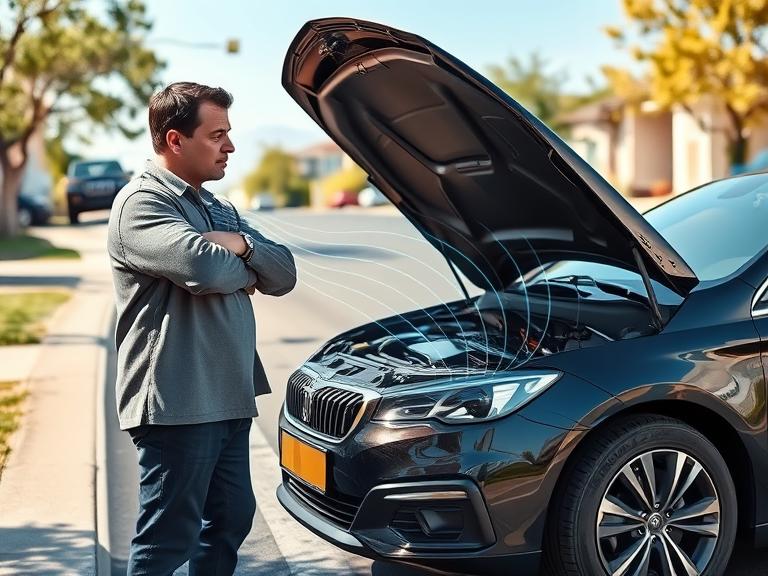
Why Does My Car Make a Noise When I Accelerate?
Manufacturers build contemporary automobiles to run smoothly and silently. But it can become problematic when a strange sound occurs while accelerating. In an effort to identify the cause before it becomes a more serious problem, drivers frequently look for solutions to the question, “Why does my car make a noise when I accelerate?” This article examines the most typical reasons for this noise as well as the role that automotive technology plays in identifying and resolving it.
Understanding Noises Related to Acceleration
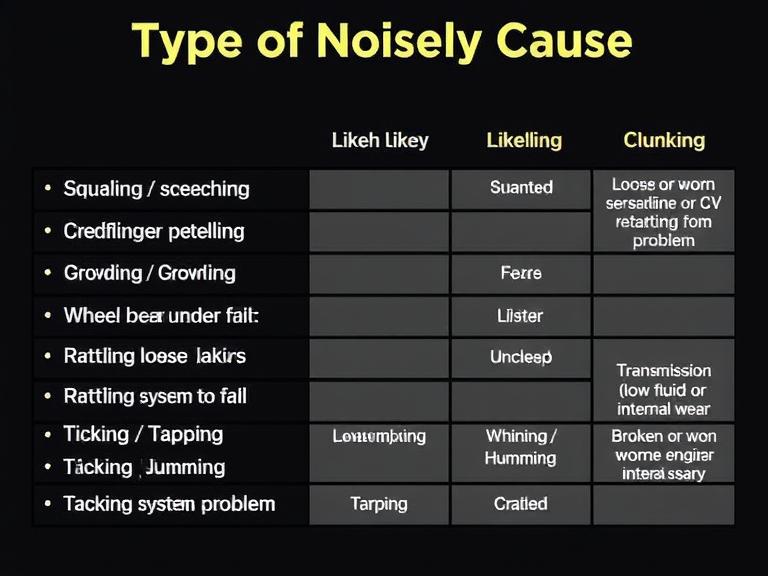
During acceleration, we can hear different types and intensities of vehicle noises.Some drivers complain about screeching, whining, grinding, or rattling.Each sound indicates a distinct area of concern, such as drivetrain components, exhaust systems, or engine performance.
Types of Noises During Acceleration
Rattling Sounds
When there are loose parts underneath the hood, rattling may happen.Heat shields, exhaust pipes, or damaged engine mounts can produce these noises, particularly when engine vibrations rise during acceleration.
Whining Noises
Problems with the power steering or gearbox may be the cause of a high-pitched whine. It frequently rises with RPM and could indicate worn-out belts or low fluid levels.
Grinding Noises
Grinding while accelerating may indicate issues with the gearbox or CV joints. If this noise is left unchecked, it usually gets worse over time.
Squealing or Screeching
These noises are frequently caused by faulty pulleys or worn serpentine belts. Applying additional load to the engine while accelerating makes it more apparent.
The Role of Engine Components
One of the most frequent offenders is engine noise. The engine may generate odd noises due to internal problems or improper maintenance. Here are several ways that specific elements contribute to this problem.
Spark Plugs and Ignition System
Pinging or knocking noises may be caused by misfiring or worn spark plugs. Uneven engine performance and noise might also be caused by a malfunctioning ignition coil.
Air and Fuel Filters
While a dirty fuel filter lowers fuel pressure, a clogged air filter limits airflow. When accelerating, both may make the engine work harder and produce noise.
Timing Belt and Chain Issues
Ticking or slapping sounds may be produced by a worn, misaligned, or damaged timing belt. Additionally, it can alter valve timing, which could result in engine misfiring and undesired noise.
Exhaust System and Acceleration Sounds
An exhaust system lowers engine noise in addition to controlling emissions.Loud noises that appear when the car accelerates frequently result from damage or leaks in this system.
Leaks in the Exhaust Manifold
Exhaust gases leak out when the exhaust manifold cracks or the gasket fails, making a tapping or hissing noise, particularly when accelerating.
Muffler and Resonator Faults
A malfunctioning silencer or resonator alters the car’s sound profile.The exhaust system is under additional strain when you accelerate, which highlights the flaws.
Catalytic Converter Issues
Internal rattling is a sign of a failed catalytic converter.When you accelerate, this usually grows worse, especially if something destroys the honeycomb inside.
Drivetrain and Transmission Impact
The drivetrain system is another factor contributing to my car’s noise when I accelerate. This covers the driveshafts, differential, CV joints and gearbox.
Transmission Wear or Fluid Loss
Humming or whining sounds may be caused by low or aged gearbox fluid. When the car accelerates, worn gears or bearings make the issue worse.
CV Joint and Axle Problems
When turning and accelerating, a popping or clicking sound suggests worn CV joints. Ignoring it could result in total axle failure.
Driveshaft Vibrations
During acceleration, a damaged or imbalanced driveshaft produces noise and vibrations. Depending on the load and the vehicle’s speed, this sound may vary.
Suspension System and Tire Health
The suspension and tires also affect the sound while moving, even though they are not directly related to the acceleration mechanism.
Worn Suspension Bushings or Struts
When accelerating from a standstill or going uphill, damaged bushings cause excessive play in suspension components, which can cause clunking or knocking.
Tire Issues and Wheel Bearings
Uneven tyre wear or damaged wheel bearings can cause growling or humming noises, particularly when speed increases rapidly.
Fuel System Noises
Fuel system parts such as the fuel pump and injectors influence engine performance and noise levels.
Failing Fuel Pump
A faulty fuel pump could be the cause of a whining sound near the back of the vehicle that gets louder when you accelerate
Clogged Fuel Injectors
Dirty injectors disturb the air-fuel mixture, causing the engine to struggle to compensate and produce sputtering or banging sounds.
Influence of Modern Car Technology
Modern cars can frequently identify and report engine-related problems before they worsen thanks to sophisticated diagnostic tools and onboard systems.
Onboard Diagnostic Systems (OBD-II)
Error codes for misfires, sensor malfunctions, and fuel problems are provided by cars with OBD-II systems. Mechanics use these codes to determine the cause of the noise the vehicle makes when it accelerates.
Engine Control Module (ECM) Adjustments
The ECM manages fuel distribution and ignition timing. Any sensor failure, such as a mass airflow sensor or a throttle position sensor, can cause unusual engine behaviour and sound.
Regular Maintenance Can Prevent Noises
Staying ahead of possible problems decreases the chance of an unexpected noise during acceleration.
Scheduled Oil Changes
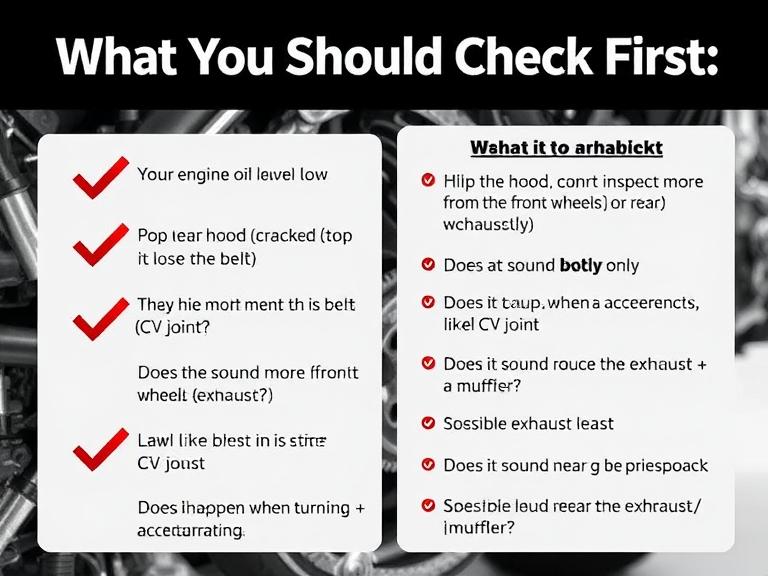
Clean oil keeps parts operating smoothly and lessens engine wear. The banging or ticking sounds are caused by increased friction caused by dirty or low oil levels.
Belt and Hose Inspections
Various noises are caused by fractured hoses and worn belts. Mechanics advise inspecting them at each service interval to prevent failure under high RPM circumstances.
Tire Rotation and Balancing
Irregular tyre wear causes vibrating or humming sounds. Routine rotation and balancing guarantee even wear and silent operation.
When to Seek Professional Help
While not all noises indicate a major issue, understanding why my automobile makes a sound while I accelerate helps me determine when I need professional assistance.
Noise Gets Louder Over Time
Any sound that becomes louder or more frequent has to be investigated right away. It can be a sign of an escalating issue, such as exhaust leaks or engine bearing damage.
Multiple Warning Signs
A professional diagnosis is necessary if the noise is accompanied by vibrations, dashboard lights, or poor fuel economy. It lessens the need for costly repairs and damage.
Safety Risks Involved
Ignoring strange sounds could result in accidents, power outages, or brake failure. Road safety is enhanced by professional inspections.
Cost of Repair Based on Noise Type
Fixing vehicle noise depends on the issue’s source. Here are average repair costs based on typical reasons:
Estimated Cost of Component (USD)
Plugs for sparks
Between $100 and $250 CV Joints
$300–1,000 Muffler; $200–$500 Timing Belt
$150 to $400 for repairs to the gearbox
Between $1,000 and $4,000.
Pump for Fuel
Between $400 and $800
Conclusion
You should never overlook the noise your car makes while you accelerate. Knowing why my car makes a noise as I accelerate makes it easier to spot problems early, maintain low maintenance expenses, and drive safely. Automobile technology is essential for identifying and averting these issues when paired with regular maintenance and prompt inspections. To remain ahead of the problem, pay attention to your car, take quick action, and employ contemporary diagnostic tools.