 By Zain Amjad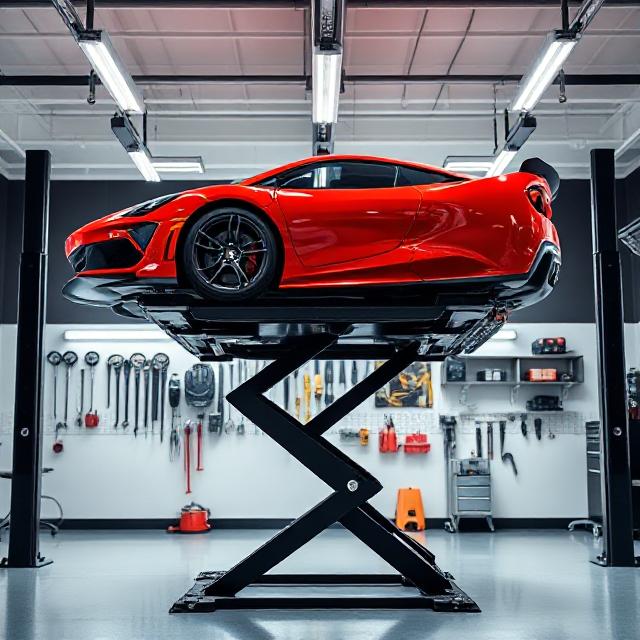
Scissor Lift for Car: A Smarter Solution in Modern Auto Tech
The way mechanics and auto owners perform maintenance, repairs, and inspections has changed as a result of modern automotive technology. The scissor lift for cars is one innovative device that is causing a stir in garages and workshops. Without using heavy machinery or conventional jacks, this invention provides a small, effective, and secure means of lifting cars for a variety of mechanical jobs.
What Is a Scissor Lift for Car?
The way mechanics and auto owners perform maintenance, repairs, and inspections has changed as a result of modern automotive technology. The scissor lift for cars is one innovative device that is causing a stir in garages and workshops. Without using heavy machinery or conventional jacks, this invention provides a small, effective, and secure means of lifting cars for a variety of mechanical jobs.
Why Scissor Lifts Are Revolutionizing Car Maintenance
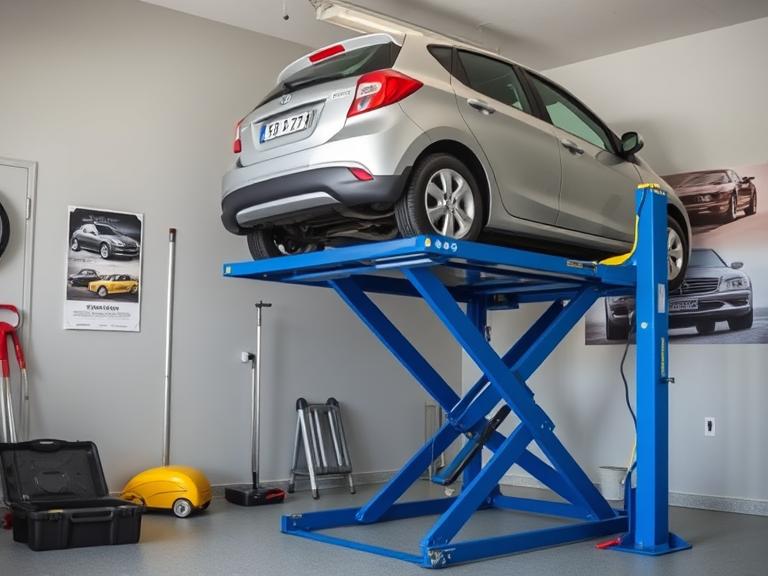
A scissor lift is a platform that uses a mechanism akin to a folding scissor to move vertically. In terms of automotive applications, the lift raises vehicles off the ground so that technicians can inspect, repair, or detail the undercarriage. Depending on the model, the lift powers itself electrically, pneumatically, or hydraulically.
Advantages of Using a Scissor Lift for Car Maintenance
Space-Saving Design
Auto repair is changing. A major factor in this change is scissor lifts. They provide greater lifting precision, lower safety hazards, and need less manual labour. They disperse vehicle weight uniformly and do away with the need for wheel ramps or jack platforms, in contrast to conventional floor jacks.
Improved Safety
Compared to standard automobile jacks, these lifts provide greater stability. Wide platforms and integrated locking systems greatly lessen the possibility of slippage. Safety locks on the majority of scissor lifts activate automatically when the lift reaches a predetermined height.
Efficient Workflow
Faster lifting and lowering operations save mechanics and do-it-yourselfers a significant amount of time. Changing the height according to the demands of the task also makes it more comfortable and less taxing.
Types of Scissor Lift for Car Applications
Mid-Rise Scissor Lifts
Technicians frequently perform tire maintenance, brake repairs, and small undercarriage work with mid-rise scissor lifts. They provide a decent compromise between portability and height.
Full-Rise Scissor Lifts
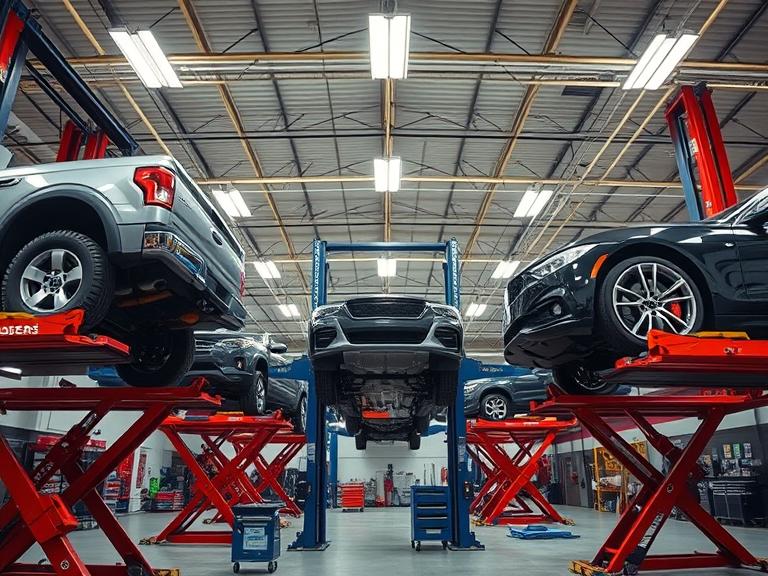
For total under-vehicle access, these are ideal. Full-rise variants are ideal for gearbox, exhaust and suspension repair since they match the height capacity of two-post or four-post lifts.
Portable Scissor Lifts
Small garage owners and mobile mechanics are catered to by portable versions. Despite possibly supporting less weight, they are lighter, more portable, and need less setup.
Key Features to Consider in a Scissor Lift for Car
Weight Capacity
Prior to making a purchase, always verify the maximum lifting capacity. Professional garages typically require lifts that can handle 10,000 pounds or more, but residential customers would only require lifts that can hold 6,000 pounds.
Platform Size
Larger trucks can be accommodated on a longer platform. Compared to sedans, trucks and SUVs need wider lifts.
Lift Height
A greater lift range provides more comfort and accessibility if you intend to work underneath the car for extended periods of time.
Power Source
While some scissor lifts require 220V or air compressors, others can be operated with 110V household power. Select one that is compatible with the infrastructure of your garage.
Installing a Scissor Lift for Car in Your Garage
Prepare the Ground Surface
The installation location needs to be level and sturdy, ideally made of concrete. The lift may become unstable if it is placed on dirt or asphalt surfaces.
Follow Manufacturer Instructions
Every lift has its own set of setup instructions. Never omit any calibration or bolt tightening instructions; always consult the handbook.
Ensure Adequate Clearance
Make sure the entire lift range is supported by the height of your ceiling. Mid-rise variants can be installed without any problems, even in garages with low ceilings.
Common Use Cases Where Scissor Lifts Excel
Oil Changes and Fluid Checks
Clear undercarriage access makes it simpler and quicker to change engine oil or check gearbox fluid.
Exhaust System Repairs
It is far safer and cleaner to work on exhaust pipes, catalytic converters, and mufflers from an elevated platform.
Brake and Suspension Work
A steady lift is necessary to reach wheels and suspension parts for jobs like rotor replacement, calliper inspections, and shock absorber maintenance.
Cost vs. Benefit of Investing in a Scissor Lift
Upfront Cost
Professional-grade scissor lifts can cost up to $3,000, while basic models start at about $1,000. Long-term mechanic bill savings, however, swiftly make the investment worthwhile.
Long-Term Utility
When properly maintained, a high-quality scissor lift lasts for many years. It raises the value of your garage, increases safety, and makes do-it-yourself maintenance fun and easy.
Scissor Lift for Car: A Tool for Professionals and Enthusiasts
Purchasing a car scissor lift transforms your approach to maintenance, regardless of whether you’re a mechanic or a weekend auto enthusiast. Unlike conventional jacks or ramps, this tool offers comfort and dependability for everything from oil changes to thorough underbody inspections.
Maintenance Tips for a Longer Lift Life
Regular Cleaning
Pneumatic or hydraulic systems can become clogged by dust and debris. Clean the lift and lubricate joints and hinges on a regular basis.
Inspect Safety Locks
Verify that the locking mechanisms are correctly engaged and released. Grease accumulation or rust may impair their performance.
Check Hydraulic Fluid Levels
For optimum performance and lifting speed, keep the fluid levels in your hydraulic lift at the right levels.
Potential Challenges and Solutions
Uneven Lifting
Make sure your car is centred on the platform if it raises unevenly. The vehicle frame or lift arms may sustain damage from misalignment.
Power Issues
If electric scissor lifts are connected to circuits that are overloaded, breakers may trip. To prevent disruptions, use a dedicated outlet.
Mechanical Noises
Dry joints or malfunctioning hydraulic parts may be indicated by squeaking or grinding noises. Usually, lubrication and upkeep resolve this.
Choosing the Right Scissor Lift for Car Based on Your Needs
Before purchasing, ask yourself:
- Will you be working on different kinds of vehicles?
- How frequently do you plan to use the lift?
- Do you require a stationary station configuration or mobility?
- How high is the ceiling in your garage?
By evaluating these factors, you can choose a lift that meets both your current and future needs.
Future of Car Technology and the Role of Scissor Lifts
Having access to the appropriate tools becomes essential as vehicles get more complicated. Future repair needs, such as electric undercarriage components and hybrid systems, make technologies like the vehicle scissor lift more important than ever.
In conclusion
More than just a convenience, the car scissor lift is essential to modern, safe, and effective automotive repair. This tool makes the process easier and guarantees better results whether you’re restoring a classic or maintaining your daily driver. Purchasing one now will turn your garage into a workspace fit for a professional.