 By Zain Amjad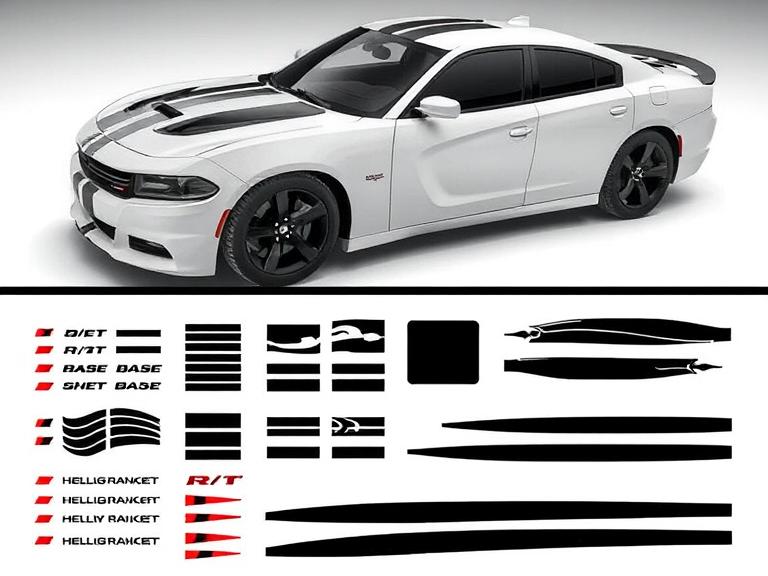
The Evolution of Car Technology and the Impact of Personalization
Introduction
Over the past century, car technology has undergone significant change, influencing not just how cars operate but also how drivers interact with them. Modern cars are constructed with precision and ingenuity, from sophisticated safety features to AI-powered navigation. However, engineering is not the only aspect in the history of automotive advancement. Through improvements, alterations, and unique designs, drivers continue to showcase their uniqueness. Trends like electronics updates, performance tuning, and even cosmetic modifications like Dodge charger decals for cars are examples of how technology and style coexist in the contemporary automotive industry.
The Foundation of Car Technology
Beginning with mechanical principles, automobile engineering concentrated on engines, gearboxes, and structural longevity. Electrical systems, increased fuel efficiency, and emission control measures were all brought about by technological advancements over time. These developments laid the groundwork for electric and hybrid automobiles.
The development shows an attempt to meet customer expectations in addition to technical advancement. Compared to earlier generations, modern cars are safer, smarter, and more efficient.
Advanced Safety Systems
Integrated safety features in contemporary cars lower danger and raise awareness. Important characteristics include:
- Alerts for lane departure
- Sensors for collision detection
- Cruise control that adapts
- Emergency braking that operates automatically
Under the direction of software, radar, and camera technologies, each system operates in real time. Safety technology is one example of how innovation reduces accidents while protecting pedestrians and passengers.
Infotainment and Driver Assistance
The driving experience now revolves around connectivity. Entertainment, navigation, and real-time updates are all brought straight to the dashboard by infotainment systems. Drivers stay connected with features including wireless charging, smartphone connectivity, and voice recognition.
Automated parking and blind-spot monitoring are examples of driver-assist technology that help close the gap between fully autonomous driving and manual control. These tools demonstrate how accuracy and ease combine to enhance the whole experience.
Electric Vehicles and Energy Innovations
The core of contemporary vehicle technology is electric power. EVs use advancements in battery chemistry, regenerative braking, and charging networks to cut pollution. Important turning points for the future of transportation include developments in solid-state batteries and fast-charging stations.
The core of contemporary vehicle technology is electric power. EVs use advancements in battery chemistry, regenerative braking, and charging networks to cut pollution. Important turning points for the future of transportation include developments in solid-state batteries and fast-charging stations.
Personalization in Car Technology
Drivers seek ways to customise their cars in addition to their utility. Modified exteriors, enhanced interiors, and custom lighting demonstrate how technology encourages uniqueness. Through personalisation, a driver can blend comfort and style, giving the car a distinctive feel.
Muscle car fans, for instance, frequently select modifications that balance performance and style. Body packages, rims, wraps, and other design components that improve the car’s visual identity are examples of aesthetic choices.
The Role of Dodge Charger Decals for Cars in Personalization
In the world of vehicles, muscle cars like the Dodge Charger are legendary. Owners frequently add exterior touches that express their individuality to make them uniquely theirs. One of the easiest ways to improve appearance while maintaining the vehicle’s heritage is to apply Dodge charger decals to cars.
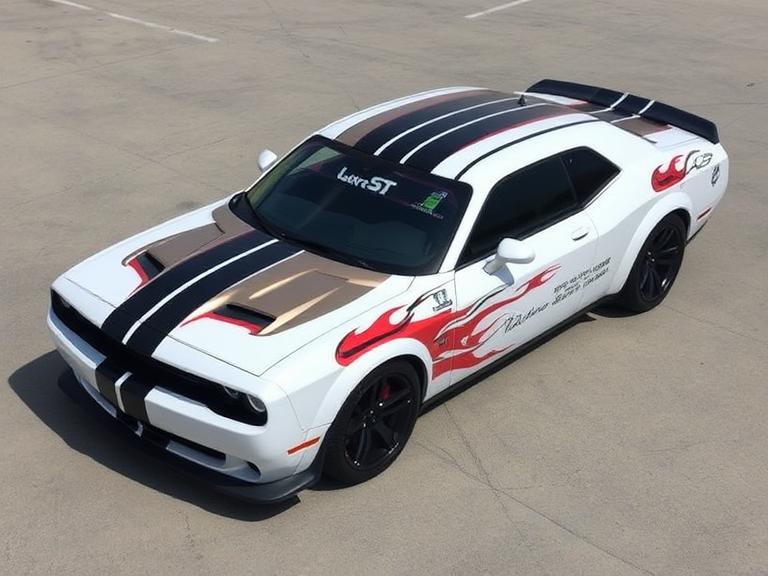
Decals that draw attention to the Charger’s aggressive style can be stripes, emblems, or original artwork. They act as a nexus of fashion and car pride, demonstrating how printing and manufacturing technology provide robust and colourful personalisation choices.
Technology Behind Modern Decal Production
There is more to making decals than just printing. Decals are accurate and long-lasting thanks to UV-resistant inks, vinyl cutting equipment, and digital design software. Thanks to developments in adhesive technology, decals are resistant to fading and peeling even when exposed to sunlight, rain, and temperature fluctuations.
High-quality designs that fit smoothly onto curved surfaces while preserving beauty and aerodynamics are made possible by manufacturing tools. This demonstrates how automobile technology goes beyond engines to produce customised features.
Integration of Style and Functionality
Personalisation is more than just style. It relates to utility in areas like branding and aerodynamics. For instance:
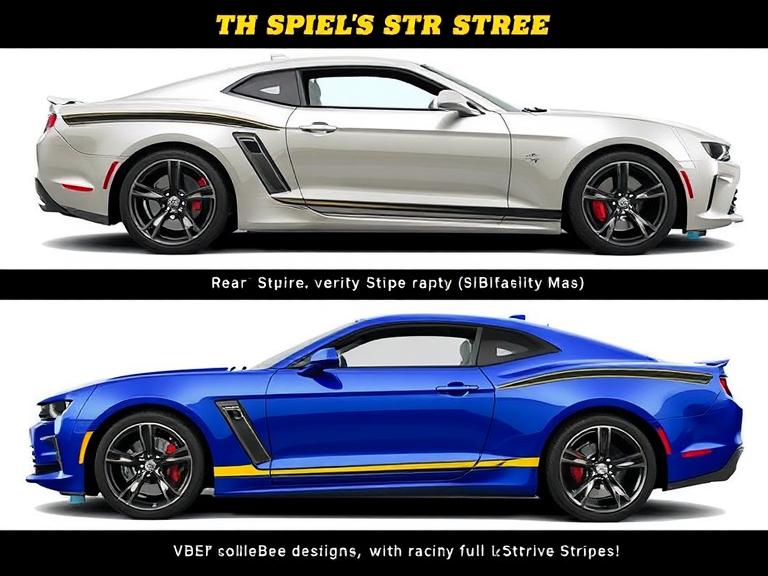
- A visual indication that corresponds with performance identity can be seen in racing stripes.
- A car can become a mobile billboard with company decals.
- Reflective decals increase safety by improving visibility at night.
The blend of design and functionality illustrates how automotive technology embraces several uses in a single design decision.
Car Communities and Personalization Trend
Personalisation choices are influenced by car communities worldwide. Car shows, social media groups, and online forums offer venues for exchanging ideas, displaying changes, and igniting trends. In order to assist others in finding methods to customise their vehicles, enthusiasts frequently showcase innovative designs, such as Dodge charger decals for cars.
Industry innovation is encouraged by the sharing of ideas, which forces producers and aftermarket providers to create new goods.
Future of Automotive Personalization
The future of car personalization may include:
- Using an app, smart decals may change colour.
- LED-integrated visuals that play music in time with it Eco-friendly materials that cut down on waste
These developments demonstrate that customisation is not just possible with conventional stickers or covers. Every driver’s journey now incorporates individuality as a result of technology’s ongoing expansion of options.
The Balance Between Technology and Tradition
These developments demonstrate that customisation is not just possible with conventional stickers or covers. Every driver’s journey now incorporates individuality as a result of technology’s ongoing expansion of options.
Cars stay more than just machines by striking a balance between cutting-edge technology and individual flair; they become extensions of who people are.
Why Personalization Matters in Automotive Culture
Automobiles are frequently more than just means of transportation. They stand for autonomy, success, and uniqueness. Options for personalisation, whether in the form of technological advancements or aesthetic improvements, let drivers express themselves.
In this case, straightforward yet powerful components like decals demonstrate how customisation enhances individuality without sacrificing usefulness.
Final Thoughts
Automobile technology has changed the way we connect, drive, and express our uniqueness. Every detail demonstrates advancement, from electric power to AI-driven systems. Personalisation, which lets drivers choose their experience, is still important, though.
To make their cars stand out on the road, fans of muscle cars, vintage cars, and contemporary automobiles frequently depend on accessories like Dodge Charger decals. Personalisation is an example of how automotive technology continues to combine self-expression, culture, and function, especially in light of the growing popularity of smart design, digital production, and sustainable practices.