 By Zain Amjad
The Future of Car Technology: Customization and Innovation
Introduction
The last 20 years have seen a greater advancement in automobile technology than the entire preceding century. Electric propulsion and smart sensors are two examples of how quickly the sector is developing. The option to commission a body for a custom car is among the most interesting trends. This degree of customisation, which was previously only available to concept models and high-end prototypes, demonstrates the advancements in design, engineering, and production.
Why Car Technology is Moving Toward Customization
Individuality is required of modern drivers. Manufacturers and aftermarket businesses have realised that designing cars that suit individual preferences and lifestyle requirements is the way of the future. Beyond paint and wheels, custom technology solutions can include digital interfaces, distinctive aerodynamic shapes, and even modular interiors.
The Role of Artificial Intelligence in Modern Vehicles
Artificial Intelligence (AI) has evolved from a theoretical concept to a practical driving aid. AI-enabled cars can anticipate routes, learn driver patterns, and even recommend places to fill up or charge. Adaptive cruise control, navigation systems, and accident prevention are all enhanced by machine learning. These systems provide automobiles the ability to anticipate future events, which is a crucial advancement in improving vehicle safety and responsiveness.
AI in Performance Tuning
Mechanical improvements are no longer the only way to improve performance. AI instantly modifies brake reaction, suspension stiffness, and power delivery. A driver can have both efficiency on the journey and peak performance on the track without sacrificing either.
Electric and Hybrid Innovations in Car Technology
Although electric vehicles have already established their market domination, their underlying technology is still developing. Hybrid systems are integrating seamlessly with conventional engines, battery ranges are increasing, and charging times are decreasing.
Solid-State Batteries
One of the most eagerly awaited innovations is solid-state batteries. These offer reduced charging times, safer functioning, and longer lifespans.This technology may soon redefine what drivers anticipate from electric mobility.
Advanced Materials in Automotive Engineering
Future vehicle design heavily relies on materials that are both strong and lightweight.Engineers now use high-strength polymers, aluminium alloys, and carbon fibre composites to make vehicles safer, faster, and more efficient.
Customization Through Materials
One of the most important choices made by enthusiasts when commissioning a body for a custom car is the material to use. While some select aluminium for balance and endurance, others go for full carbon fibre designs for speed.
The Integration of Autonomous Driving Systems
The idea of self-driving cars is no longer futuristic. Vehicles can now park, change lanes, and maintain safe distances without regular driver input thanks to sensors, cameras, and radar systems.
Safety Benefits of Autonomous Features
Autonomous technologies reduce dangers caused by human error, driver weariness, and distraction by ensuring vehicles operate accurately and reliably.
Digital Cockpits and Connected Experiences
A digital command centre has replaced the conventional dashboard. Modern driving is now characterised by touchscreens, heads-up displays, and augmented reality interfaces.
Connected Cars in Everyday Life
Cars can communicate with smartphones, smart homes, and even civic infrastructure. This networked ecosystem provides convenience and enables intelligent traffic control with less congestion
Commission a Body for a Custom Car: The Rising Demand
Car culture has always included personalisation, but it now encompasses complete vehicle bodies. In order to commission a body for a custom car, one must embrace innovative engineering and design. Fans can ask for performance-enhancing bodywork, distinctive silhouettes, or aerodynamic enhancements. Manufacturers and boutique builders use 3D printing, CAD modelling, and CNC machining to produce shapes once thought impossible.
The Impact of 3D Printing on Car Technology
Engineers can produce strong, lightweight items using 3D printing in a tenth of the time needed using conventional techniques. Large-scale customisation of bumpers, spoilers, and even chassis parts is now feasible.
Speeding Up Prototyping
Moulds are no longer a months-long wait for builders. Parts may be designed, printed, and tested in a few of days. Because of its effectiveness, custom constructions are now more accessible and reasonably priced.
Sustainable Practices in Custom Car Technology
Innovation is increasingly fuelled by environmental responsibility. The industry is adjusting by using energy-efficient production techniques and recyclable materials.
Eco-Friendly Customization
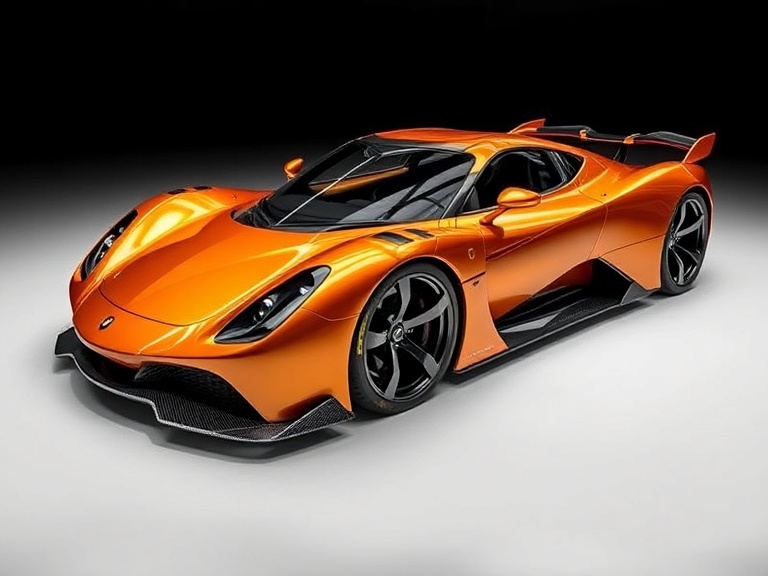
Many drivers choose to use sustainable materials when commissioning a body for a custom car. Recycled metals, hemp composites, and bio-based polymers lessen their negative effects on the environment without compromising durability or style.
Performance Meets Personalization
Technology seamlessly combines style and performance. Drivers can customize an automobile’s appearance for aerodynamics and adjust internal systems to improve driving dynamics.
Smart Aerodynamics
Retractable diffusers, active air vents, and adaptive spoilers maximize airflow. Luxury and even mid-range automobiles now use these technologies once found only in race cars.
Cybersecurity in Connected Cars
Vehicles must be protected against cyber dangers as they grow more interconnected. Hackers that target navigation or infotainment systems put users’ privacy and safety at risk.
Protective Measures
Manufacturers use encryption, firewalls, and frequent software upgrades. Robust security guarantees that digital integration and personalisation won’t jeopardise security.
Virtual Reality and Augmented Reality in Car Design
Virtual reality (VR) and augmented reality (AR) have completely transformed automobile design and customization. Prior to production, clients can examine a digital model, modify features, and see the finished result.
Customer Experience with VR
When a client commissions a body for a custom car, this technology facilitates design refinement. During production, visual correctness helps prevent expensive changes.
Future Trends in Car Technology
Even more innovations are anticipated in the future. Innovation never stops, from hydrogen-powered engines to flying car prototypes. However, the adoption of technology will still be heavily influenced by personalisation.
On-Demand Customization
Drivers may soon be able to swap out interiors, performance systems, and body panels as needed thanks to modular parts. This flexibility will redefine ownership and allow cars to better accommodate changing lifestyles.
Conclusion
Artificial intelligence (AI), renewable materials, improved batteries, and digital systems make cars smarter, greener, and more individualisedThe path forward is obvious: individualism and technology will play equal roles in the future of automobiles.
The Evolution of Car Technology Over the Decades
In retrospect, innovation has always been a defining characteristic of the automotive sector. Simple mobility was the main goal of early cars, but in the middle of the 20th century, advancements in technology introduced airbags, safety belts, and electronic fuel injection. With hybrid systems, onboard computers, and sophisticated driving assistance, the twenty-first century hastened change even further. Every decade brings us one step closer to the highly customised and technologically advanced cars of today.
Custom Interiors Shaped by Technology
People frequently highlight exterior design, but interior customization has progressed just as quickly. Drivers may customise the cockpit to fit their lifestyle with features including smart seats, digital displays, and adjustable lighting. Interior customisation frequently goes hand in hand with outward design when enthusiasts want to commission a body for a custom car. Builders create unique entertainment systems, digital gauges, and steering wheels to match the custom body perfectly
Data as the New Fuel for Cars
Every second, enormous volumes of data are generated and processed by cars. Sensors that track traffic, driver behaviour, and engine performance provide this data. Vehicle intelligence and adaptability are increased by the analysis of these streams. Engineers can utilise this information to optimise vehicle behaviour in custom builds, providing owners with a driving character that is genuinely unique and goes beyond mechanical design.
The Influence of Motorsport on Car Technology
Every second, enormous volumes of data are generated and processed by cars. Sensors that track traffic, driver behaviour, and engine performance provide this data. Vehicle intelligence and adaptability are increased by the analysis of these streams. Engineers can utilise this information to optimise vehicle behaviour in custom builds, providing owners with a driving character that is genuinely unique and goes beyond mechanical design.
Human-Centered Design in Future Vehicles
With comfort, safety, and usability as top priorities for auto designers, technology has become more people-focused. With adaptive seats, posture is automatically adjusted. Climate systems measure the temperature of the body and adjust the temperature accordingly. Even sound systems adjust to the acoustics of the cabin to provide the best possible listening experience. These human-centered strategies guarantee that every driver has a customised experience, which is in perfect harmony with customisation trends.
The Rise of Digital Twins in Automotive Development
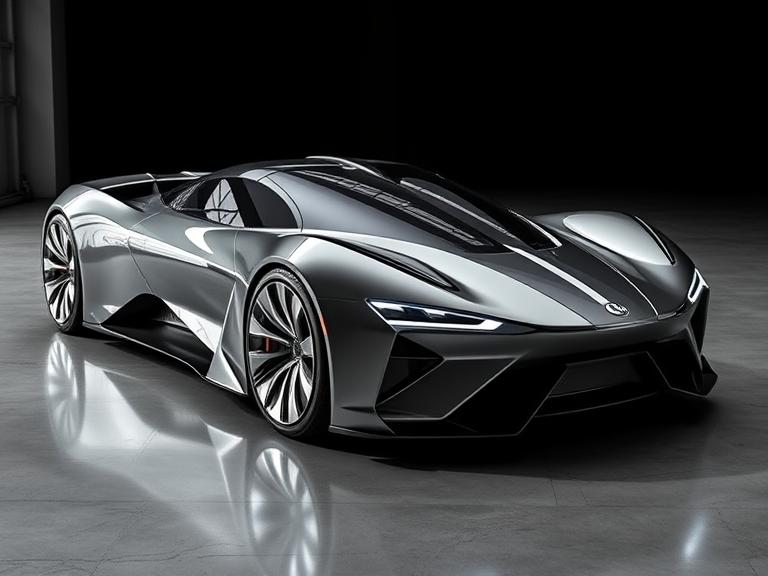
With digital twin technology, manufacturers create a virtual replica of an automobile before physically building it It is possible to test the performance, safety, and aerodynamics of this digital facsimile. Digital twins help consumers commission unique autos by ensuring accuracy and lowering unforeseen expenses. Based on the outcomes of digital testing, the builder can modify the design to ensure that the finished product operates precisely as intended.
Lifestyle Integration: Cars Beyond Transportation
Today’s cars serve as more than just means of transportation; they are centres of living. Many cars now serve as mobile offices, entertainment centers, or spaces to unwind. Future designs will expand this idea with modular elements such as sleep pods, work pods, or fitness-friendly layouts. Drivers can customize vehicles to match their routines and preferences, making each car as distinctive as its owner