 By Zain Amjad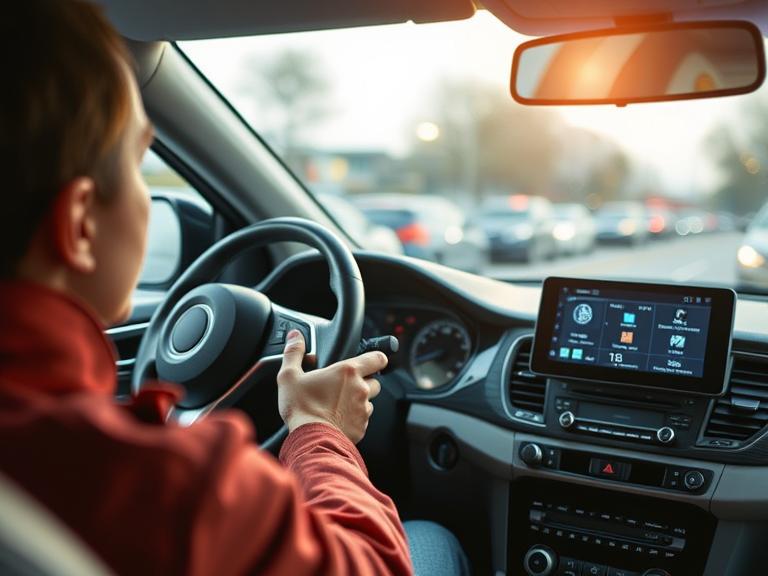
Car Technology Advancements: A Complete Guide
Car technology has transformed how people drive, maintain, and secure their vehicles. From safety features to digital connectivity, technology continues to shape the driving experience. Many drivers also search for resources like car insurance everything you need to know alexanderpractice.co, as insurance and technology go hand in hand when it comes to modern driving needs. This blog explains the latest car technology, how it works, and what it means for vehicle owners today.
The Rise of Smart Car Technology
The concept of smart cars has moved beyond luxury. Today, even affordable vehicles feature intelligent systems. Features like adaptive cruise control, lane-keeping assistance, and voice-controlled infotainment create safer and more convenient driving. Automakers design these systems with machine learning and real-time data, allowing cars to react quickly to changing traffic conditions.
Car Technology in Safety Systems
Advanced Driver Assistance Systems (ADAS)
Safety remains the top priority in car technology. ADAS uses radar, cameras, and sensors to monitor surroundings. These tools support drivers with collision warnings, blind-spot detection, and emergency braking.
Airbag Innovations
Airbags are no longer simple frontal cushions. Modern vehicles include side, knee, and even pedestrian airbags. This level of protection lowers injury risks and reflects how far car technology has advanced in safety.
Electric Cars and Battery Technology
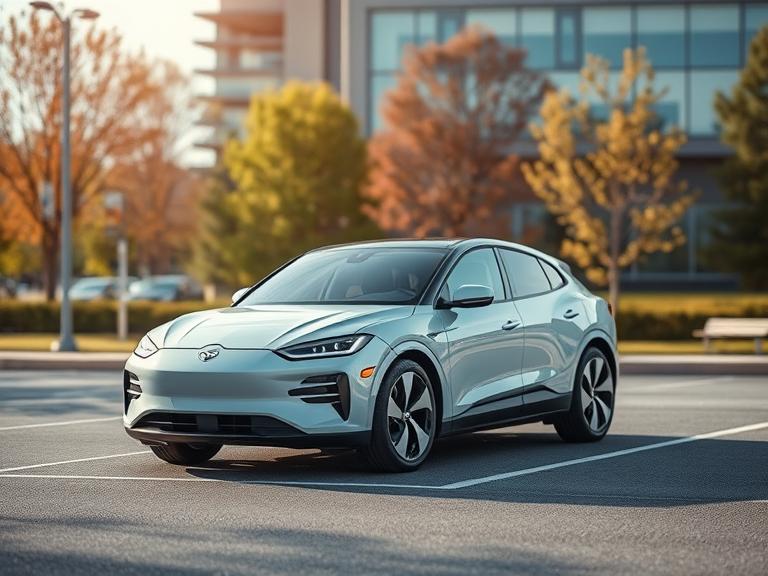
Electric vehicles are central to the future of transportation. New battery technologies extend driving range and reduce charging time. Solid-state batteries promise longer life cycles and improved efficiency. Car manufacturers invest heavily in this technology because it aligns with global emission targets.
Connectivity and Infotainment
Drivers expect constant connectivity. Car technology integrates smartphones, navigation systems, and streaming platforms into dashboards. Voice recognition enables hands-free control, improving safety and comfort. Cloud-based systems also allow for over-the-air software updates, keeping vehicles current without service center visits.
Car Technology in Autonomous Driving
Autonomous driving is no longer science fiction. Companies test self-driving cars in real-world conditions. Cameras, LiDAR, and AI algorithms power these vehicles, allowing them to interpret traffic lights, signs, and obstacles. While fully autonomous cars are still under development, semi-autonomous features are already available to consumers.
Cybersecurity in Car Technology
Connected cars face the same risks as other devices. Hackers can target vehicle systems if security is weak. Automakers now focus on encryption and secure communication protocols. Regular software updates protect drivers against threats. Cybersecurity is as vital as physical safety in modern vehicles.
Sustainability Through Car Technology
Sustainability plays a growing role in vehicle design. Lightweight materials improve fuel efficiency. Hybrid engines balance electric power with traditional fuel. Recycled materials now feature in car interiors, showing how technology reduces environmental impact.
Car Insurance and Technology Integration
Modern vehicles generate a constant stream of data. Insurers use this information to design policies that reflect real driving behavior. For example, telematics systems record speed, braking, and mileage. Safer driving leads to lower premiums. This connection highlights why drivers often search for details similar to car insurance everything you need to know alexanderpractice.co, because car technology directly influences coverage and cost.
Navigation and Mapping Technology
Navigation systems have grown smarter. Real-time traffic updates guide drivers through the fastest routes. Some cars use predictive technology to suggest charging stations for electric vehicles. This level of planning makes journeys easier and reduces travel stress.
Augmented Reality in Car Technology
AR displays are entering dashboards. They project directions and hazard alerts onto windshields, allowing drivers to keep eyes on the road. Augmented reality can also help with parking by projecting safe paths directly on the driver’s view.
Vehicle Maintenance with Car Technology
Technology also makes maintenance simple. Cars now alert drivers when oil changes, tire rotations, or battery replacements are due. Some systems even predict potential failures before they occur. Predictive maintenance reduces breakdowns and improves vehicle life span.
Car Technology in Hybrid Systems
Hybrid systems offer the best of both electric and fuel engines. They provide better fuel economy while reducing emissions. Drivers benefit from regenerative braking, which stores energy that would otherwise go to waste.
Voice Assistance in Modern Cars
Voice assistance transforms how people interact with their vehicles. Drivers can send messages, change music, or adjust climate settings without removing their hands from the wheel. Car technology in this space grows smarter each year, supporting multiple languages and personalized commands.
The Role of Artificial Intelligence
AI influences nearly every aspect of car technology. From autonomous driving to predictive diagnostics, artificial intelligence powers decision-making. Vehicles process enormous amounts of data to improve navigation, safety, and performance in real time.
Insurance Considerations in a Tech-Driven World
Car insurance adapts to new vehicle designs. Insurers must calculate risks related to advanced sensors, software, and electric components. Repair costs for high-tech vehicles differ from traditional cars. This is why guides like car insurance everything you need to know alexanderpractice.co matter to drivers seeking clarity on coverage.
Car Technology and Global Regulations
Governments enforce standards for safety and emissions. Car manufacturers must meet strict requirements before releasing vehicles. Technology supports compliance through systems that monitor emissions, alert drivers, and provide digital records for regulators.
The Future of Car Technology
Looking ahead, vehicle technology will grow more connected, sustainable, and autonomous. Shared mobility, green energy integration, and AI-driven systems will define the future. Owners and insurers alike must stay informed to understand the evolving landscape.
Insurance Platforms and Car Technology
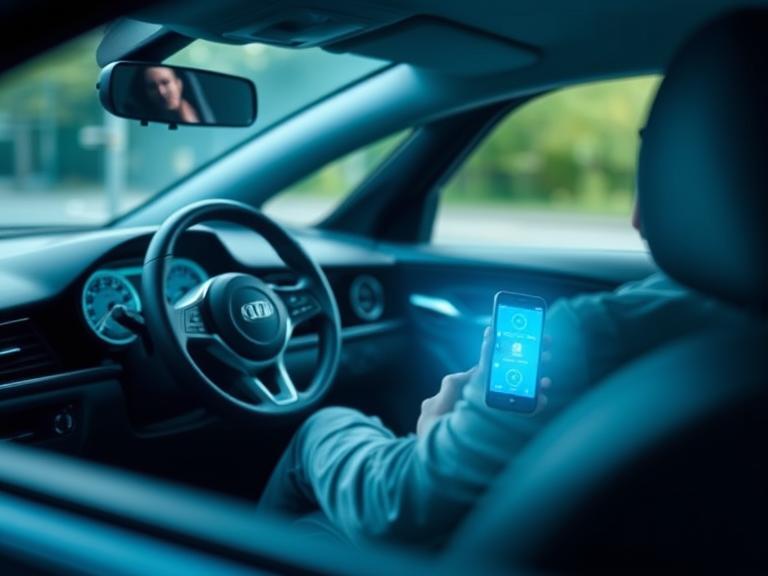
Digital platforms now streamline how people manage policies. Online portals allow users to compare coverage, pay premiums, and file claims without visiting offices. Technology brings speed and transparency to insurance services, creating value for drivers. Resources such as car insurance everything you need to know alexanderpractice.co combine information on policies with knowledge of vehicle technology, helping drivers make informed choices.
Final Thoughts
Car technology continues to push boundaries, reshaping driving into a safer, more connected, and sustainable experience. From self-driving cars to predictive maintenance, every advancement impacts drivers, insurers, and regulators. Understanding both the innovations and their connection to insurance ensures drivers stay informed, prepared, and protected in this fast-changing world.