 By Zain Amjad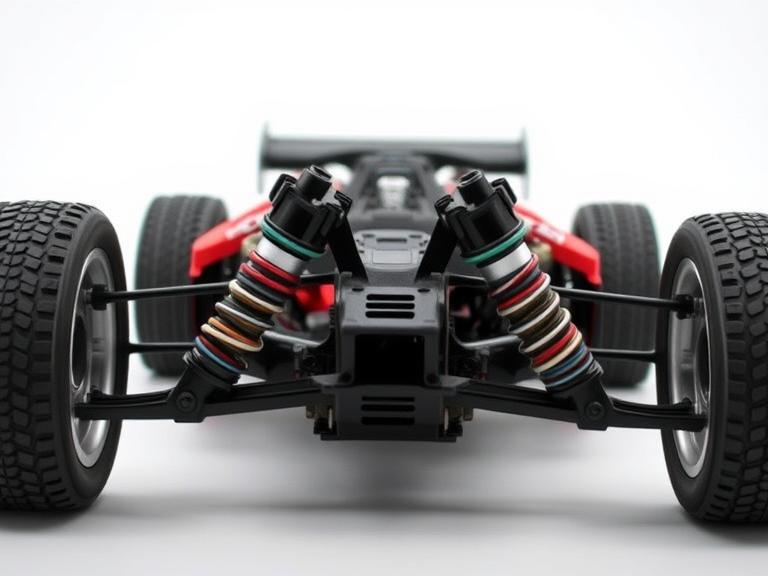
The Rise of Car Technology and the Evolution of Adjustable Redcat Belt Driven Cars
Introduction to Modern Car Technology
Over the past 20 years, automobile technology has rapidly evolved. Autonomous software systems and electric drivetrains are just two examples of how the automobile industry is always changing to make cars safer, smarter, and more effective. Innovation is equally important in the realm of scale models and high-performance hobby automobiles. The creation of redcat belt-driven automobiles with changeable seats is one area that has drawn interest from fans. These vehicles demonstrate how precision engineering may enhance driving experience and performance.
The Growth of Car Technology in the Modern Era
Automobile technology has advanced into digital and hybrid systems, surpassing mechanical advancements. These days, automakers incorporate lightweight materials, artificial intelligence, and sophisticated sensors into their cars. Increased safety, reduced pollutants, and improved fuel efficiency all benefit consumers.The wave of invention influences RC cars, which use intricate engineering to imitate real-world systems on a smaller scale.
Understanding the Shift Toward Belt Driven Systems
Gear-based drivetrains dominated the hobby car market for decades. Despite their durability, gears impeded smooth handling by producing noise and friction. Belt-driven systems altered this landscape.
They provide less mechanical wear, quieter operation, and improved torque transfer. Experts in automotive technology frequently point out that this design is more in line with high-performance car engineering, where timing systems have long employed belts.
Why Enthusiasts Prefer Adjustable Systems
When it comes to performance tuning, adjustability is essential. In order to adapt to various terrains, drivers desire to alter their handling, acceleration, and stability. Car enthusiasts may fine-tune suspension, wheel alignment, and belt tension using adjustable mechanisms. This capability enhances control on racing tracks, whether they are asphalt or dirt.
Because correctly tensioned belts lessen motor stress, adjustable systems also increase component life.
The Place of Adjustable Redcat Belt Driven Cars in Car Technology
One of the many brands in the RC industry, Redcat, is known for its robust and adaptable designs.
Their belt-driven models appeal to both novice and experienced enthusiasts because they offer performance and cost. These vehicles serve as a teaching tool for drivetrain efficiency because of its customisable features, which let users try out different configurations. Automotive advancements drive precision mechanics in small-scale systems.
Benefits of Belt Driven Systems in Automotive Innovation
RC models are not the only ones that use belt-driven technology.Modern automobiles use belt systems in hybrid transmissions, timing, and accessories. The benefits are obvious:
- Smooth Power Transfer: Belts cut down on noise and vibration.
- Durability: Longevity is enhanced by synthetic materials.
- Efficiency: Belts that are properly tensioned transfer more energy.
- Maintenance: Compared to intricate gear systems, belt replacement is simpler and less expensive.
These benefits explain why manufacturers and enthusiasts invest in improving belt driven systems.
How Car Technology Inspires Hobbyist Models
Hobby automobile enthusiasts frequently test new concepts.
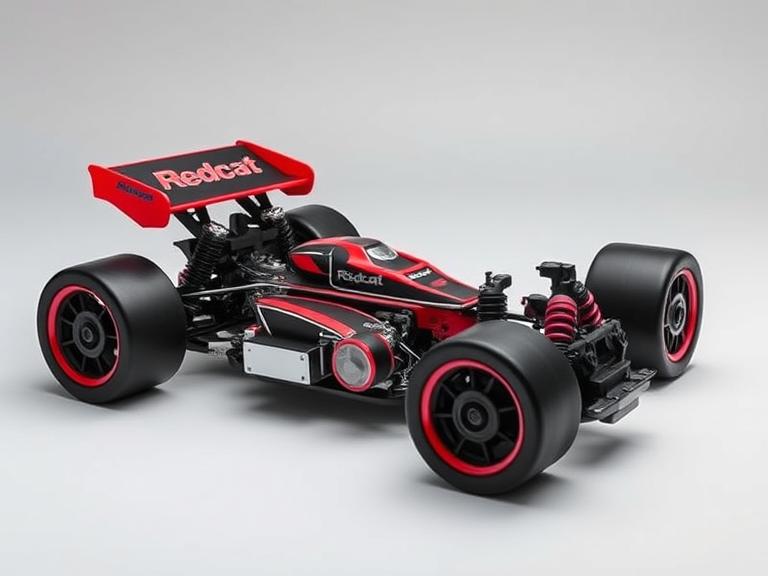
RC vehicles’ belt drives, adjustable suspension systems, and aerodynamics are examples of motorsport engineering. Users may experience the basics of car dynamics at a fraction of the price because to the miniature scale. Young enthusiasts then develop an interest in jobs in mechanical engineering and automotive.
Adjustable Redcat Belt Driven Cars and Their Appeal to Beginners
When selecting their first performance model, beginners frequently feel overpowered. Belt-driven systems make driving easier because vehicles react predictably and smoothly.The adjustable belt versions from Redcat offer the advantage of customisation without necessitating specialised knowledge. This combination of simplicity and adaptability offers the ideal balance for someone new to the car technology hobby.
The Role of Car Technology in Competitive RC Racing
Competitive RC racing emphasizes the significance of effective drivetrains. Active Voice Text: Belt-driven systems dominate many circuits because they can manage high speeds steadily. Racers may react to track circumstances by changing their setups in between heats thanks to adjustable features. Professional motorsports and small-scale innovation are similar, as seen by the increasing use of these systems in RC sports.
Comparing Belt Driven Systems with Gear Driven Systems
When evaluating RC cars or even full-sized vehicles, the drivetrain design matters.
- Though heavier and noisier, gear-driven systems are renowned for their longevity.
- Belt-driven systems are more versatile, lighter, and quieter, but they need to be maintained.
For enthusiasts focused on smooth handling and speed, adjustable belt systems clearly hold the advantage.
Future Trends in Car Technology and RC Engineering
Automobile technology is headed towards automation, electrification, and lightweight materials. The same patterns hold true in RC engineering.Manufacturers are testing carbon fibre frames, lithium-based batteries, and brushless motors. With better tensioning mechanisms and stronger synthetic belts, belt-driven systems will probably keep developing. Users will have even more control as adjustable features grow.
The Sustainability Angle in Car Technology
Sustainability fuels innovation in a variety of industries, including automotive and hobby automobiles.By lowering friction losses, belt-driven systems help to improve energy efficiency. Effective belt systems lower fuel consumption in full-sized cars. They prolong the battery life of RC cars. These advantages support international initiatives for more effective and clean technologies.
Adjustable Redcat Belt Driven Cars as a Learning Platform
One underappreciated advantage is the educational potential of these vehicles. Engineering groups and schools frequently use RC models to teach mechanical design, torque, and energy transfer topics.Redcat models that are adjustable are unique in that they allow students to observe firsthand the results of altering suspension or belt tension. Practical knowledge of automotive technology is developed through this experiential learning.
Challenges Faced by Belt Driven Systems
Belt-driven systems have disadvantages despite their many benefits. If belts are not properly tensioned, they may slip. In off-road conditions, dust or debris may wear them out more quickly than gears. Regular maintenance and inspection are essential for hobbyists. Redcat models’ adjustable features lessen these difficulties, making it simple for customers to replace or retighten belts.
Consumer Demand and the Popularity of Adjustable RC Models
Growing consumer demand in realistic, high-performance models is fuelling the global RC market’s expansion. Consumers seek out automobiles that blend innovation and longevity.Redcat models’ adjustable features lessen these difficulties, making it simple for customers to replace or retighten belts. This popularity is a reflection of how automotive technology is changing to satisfy consumer demands.
Looking Ahead: What Adjustable Redcat Belt Driven Cars Represent
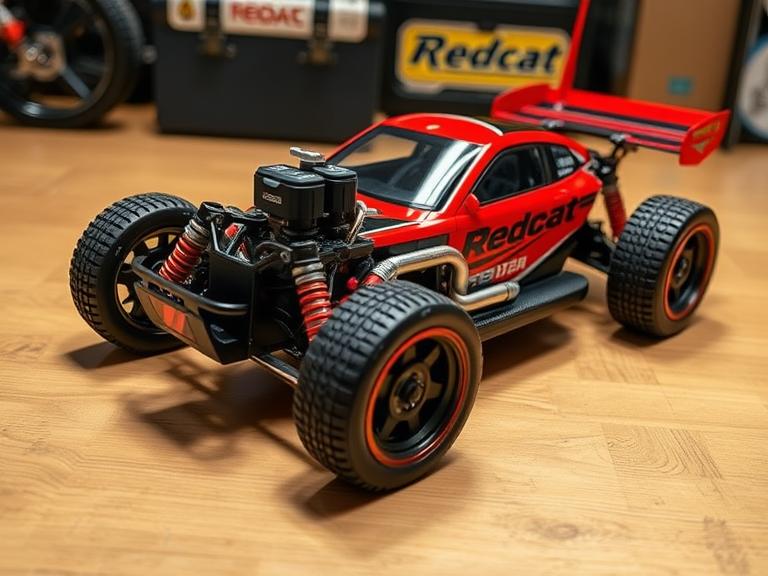
These vehicles represent the combination of engineering, education, and pastime in a broader sense. They serve as an example of how minor advancements in automotive technology can spur more significant changes in the way that the industry thinks. They demonstrate the future of flexible, effective systems in both full-sized cars and remote-controlled racing, with features including more efficient power delivery and customisable configurations.
Conclusion
Automobile technology is always evolving, impacting not just the cars we drive on a daily basis but also the models that fans race and collect. In the world of hobbyists, adjustable Redcat belt-driven automobiles are a prime illustration of the intersection of performance, customisation, and mechanical perfection. They provide drivers of all skill levels infinite delight while serving as a doorway to studying automobile engineering by simulating real-world systems. The future appears bright for belt-driven technologies that blend efficiency, flexibility, and excitement as the automotive and RC sectors develop together.