 By Zain Amjad
The Rise of Car Technology: Exploring Adjustable Redcat Belt Driven Cars
The speed at which automobile technology has developed is changing how both regular drivers and enthusiasts interact with automobiles. The speciality of adjustable redcat belt-driven cars, which blends durability, performance, and customisation, is one of the most exciting areas of innovation. These models appeal to enthusiasts who wish to explore cutting-edge automotive mechanics while honing their driving skills since they strike a balance between speed and control.
Evolution of Belt Driven Systems in Cars
For many years, belt-driven systems have played a big role in automobile design. They offer improved control over engine operations, quieter gearbox, and smoother power transfer. Belt systems improve handling and responsiveness in hobbyist and performance vehicles. Belts provide a smoother ride by absorbing vibrations, in contrast to gear-driven systems.
Why Belt Driven Cars Attract Enthusiasts
Belt-driven versions are popular among auto enthusiasts due to their dependability and versatility. Belts improve traction and lessen component wear by distributing power evenly. For vehicles built for off-road environments or racing courses, this is particularly crucial.
Key Features of Adjustable Belt Driven Cars
Adjustable belt driven cars come with multiple advantages:
- Adjustable Tension: Enables drivers to adjust belt tension to suit various performance requirements.
- Durability: Even in harsh environments, high-quality belts resist wear.
- Noise Reduction: When compared to gear-based systems, belts operate more quietly.
- Consistent handling is ensured by smooth power delivery.
These features make adjustable models stand out in the growing car technology market.
Performance Benefits of Adjustable Redcat Belt Driven Cars
Both novices and specialists now perform better thanks to Redcat models’ adjustable belt-driven technology. Users may balance power distribution with adjustable redcat belt-driven cars, which is essential in competitive driving situations. Depending on their surroundings, drivers can focus on improving control or maximising speed by varying the tightness of their belts.
Durability and Maintenance of Belt Systems
When belts are properly maintained, they last longer. Frequent inspections stop excessive wear or loosening. Compared to intricate gear systems, replacements are simple and less expensive. Because of this, belt-driven cars are a sensible option for enthusiasts seeking performance without the hassle of expensive upkeep.
User Experience in Modern Belt Driven Models
Belt systems excel during the driving experience. Drivers are reassured by the smooth acceleration, steady handling, and performance tuning capabilities. Redcat belt-driven automobiles that are adjustable serve as an example of how little design adjustments can result in notable increases in user happiness.
The Role of Adjustable Technology in Racing Cars
Systems for racing cars must be flexible. Racers can adapt to varying track conditions by adjusting their belts. While a looser setting enables smoother handling on uneven ground, a tight belt maximises power transfer for speed. In racing circles, adjustable belt-driven cars are becoming more and more popular due in large part to this balance.
Comparison with Gear Driven Alternatives
Despite their reputation for ruggedness, gear-driven systems are typically noisier and require more upkeep. Belt-driven models, on the other hand, are superior in terms of handling smoothness, noise reduction, and ease of adjustment. Belts are frequently more cost-effective for drivers who value personalisation.
How Adjustable Belts Enhance Customization
A major factor in these cars’ appeal is customisation. Belts can be adjusted by drivers according to their driving style, speed objectives, and terrain. A customised driving experience is guaranteed by this degree of control, which gear systems hardly ever provide. This adaptability is embodied by adjustable redcat belt-driven cars, which is why enthusiasts love them.
Impact of Car Technology on Hobbyist Communities
Adjustable belts are one example of the technology that fosters communities of auto enthusiasts. Tips for choosing the proper belts, regulating tension, and enhancing vehicle performance are covered in forums and groups. Manufacturers have been prompted by the increasing demand to introduce new models with even more sophisticated adjustable features.
Future Trends in Belt Driven Car Technology
Automobile technology will keep developing. More accurate adjustment systems, lighter, stronger belt materials, and integration with smart sensors that automatically adjust belts for various conditions are all things we may anticipate. Drivers should expect even more convenience and performance in the future.
Sustainability and Eco-Friendly Innovations
Manufacturers frequently use durable synthetic materials to make belts, which lessens the need for frequent replacements. This promotes sustainability in addition to cost reduction. Belt systems will probably use recyclable materials as automakers transition to more environmentally friendly vehicle technology.
Conclusion: The Growing Role of Adjustable Belt Technology
The development of adjustable belt-driven systems demonstrates the progress made in automotive technology.Drivers now enjoy more control, better handling, and longer-lasting performance. Enthusiasts and amateurs experience a special fusion of innovation and personalization in models such as Redcat belt-driven cars, which they can adjust. As technology develops, manufacturers will continue creating ever more sophisticated solutions that improve the driving experience.
The Role of Adjustable Technology in Racing Cars
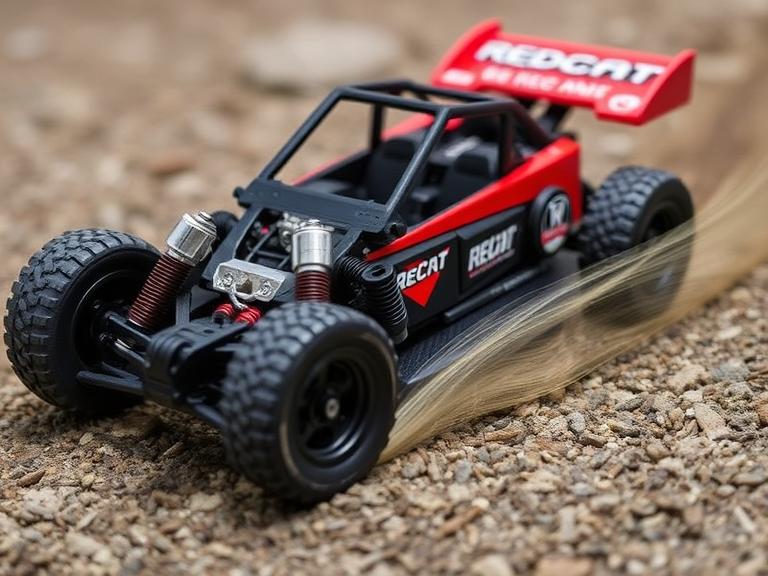
Systems for racing cars must be flexible. Racers can adapt to varying track conditions by adjusting their belts. While a looser setting enables smoother handling on uneven ground, a tight belt maximises power transfer for speed. In racing circles, adjustable belt-driven cars are becoming more and more popular due in large part to this balance.
Comparison with Gear Driven Alternatives
Despite their reputation for ruggedness, gear-driven systems are typically noisier and require more upkeep. Belt-driven models, on the other hand, are superior in terms of handling smoothness, noise reduction, and ease of adjustment. Belts are frequently more cost-effective for drivers who value personalisation.
How Adjustable Belts Enhance Customization
A major factor in these cars’ appeal is customisation.Drivers can adjust belts according to their driving style, speed objectives, and terrain, guaranteeing a customised driving experience that gear systems hardly ever provide.This adaptability is embodied by adjustable redcat belt-driven cars, which is why enthusiasts love them.
Impact of Car Technology on Hobbyist Communities
Adjustable belts are one example of the technology that fosters communities of auto enthusiasts. Forums and groups cover tips for choosing the proper belts, regulating tension, and enhancing vehicle performance. The increasing demand has prompted manufacturers to introduce new models with even more sophisticated adjustable features.
Future Trends in Belt Driven Car Technology
Automobile technology will keep developing. More accurate adjustment systems, lighter, stronger belt materials, and integration with smart sensors that automatically adjust belts for various conditions are all things we may anticipate. Drivers should expect even more convenience and performance in the future.
Sustainability and Eco-Friendly Innovations
Manufacturers frequently use durable synthetic materials to make belts, which lessens the need for frequent replacements. This promotes sustainability in addition to cost reduction. Belt systems will probably use recyclable materials as automakers transition to more environmentally friendly vehicle technology.
Advanced Materials Shaping the Next Generation
The market is already seeing the introduction of new materials like carbon-reinforced belts. Vehicle efficiency is increased by these materials’ ability to increase strength without adding weight. Lighter belts can immediately increase speed and save motor strain in performance cars.
Role of Smart Technology in Belt Adjustments
Belts may now be observed in real time thanks to the development of smart sensors. Data gathered during drives aids in the automatic adjustment of tension. This guarantees optimal performance in a range of road conditions and eliminates the need for ongoing manual adjustment.
Market Demand for Belt Driven Models
Belt-driven models are becoming more and more popular. Vehicles that offer greater control with less maintenance are becoming more and more popular among racers, hobbyists, and even casual drivers. In response, businesses are offering a variety of models that suit all price ranges.
Educational Value for Beginners
For novices, adjustable systems are great learning resources. They aid novice drivers in comprehending the principles of performance balancing, tension control, and power transfer.Later on, people may apply this knowledge to gain a more comprehensive understanding of automobiles.
Challenges in Belt Driven Technology
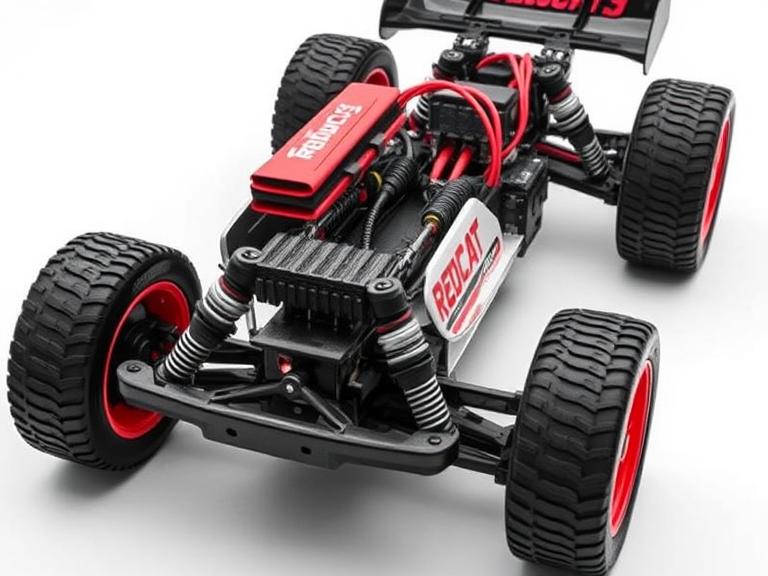
Despite the benefits, there are drawbacks. Extreme conditions can cause belts to wear out, thus maintaining tension is essential for best performance. Manufacturers are using better tension adjustment systems and sophisticated belt compositions to address these issues.
Conclusion: The Growing Role of Adjustable Belt Technology
The development of adjustable belt-driven systems demonstrates the progress made in automotive technology.
More control, better handling, and longer-lasting performance are now available to drivers. Enthusiasts and amateurs find a special fusion of innovation and personalisation in models such as Redcat belt-driven cars that can be adjusted.
We can anticipate ever more sophisticated solutions that keep improving the driving experience as technology develops.