 By Zain Amjad
Why Does My Car Sound Like a Lawn Mower? [Car Tech Guide]
You’re not the only person who has ever wondered, “Why does my car sound like a lawn mower?” This odd noise can be surprising and could indicate anything from small flaws to major mechanical failures. In the realm of automotive technology, sound diagnostics is essential for detecting component failures, exhaust leaks, and engine issues. By being aware of these indicators, one can avoid breakdowns and save time and money.
Unusual Engine Sounds: First Sign of Trouble
An intricate system is the internal combustion engine. Odd sounds arise when its harmony is broken. A noise that sounds like a lawnmower frequently indicates that one of several systems is leaking, misfiring, or out of rhythm. When these shifts start, it’s critical to pay attention and take action, particularly when the noise level rises with acceleration.
Common Causes Behind the Lawn Mower Sound
This strange sound may be caused by a number of factors. Let’s examine the most common ones that drivers run into.
Exhaust System Leaks
Your car may sound like a lawnmower due to leaks in the muffler, flex pipe or exhaust manifold. These leaks produce strange and loud noises by interfering with the natural flow of gases.
Damaged or Worn Muffler
A malfunctioning silencer no longer effectively reduces sound. Holes that corrosion or physical damage opens over time cause the rattling, roaring, or mowing sounds. Mufflers also influence engine backpressure, impacting performance.
Broken Exhaust Manifold Gasket
A broken gasket causes a ticking or chuffing sound that sounds like tiny engine parts. During startup or acceleration, hot gases frequently increase noise when they escape from the exhaust system close to the engine block.
Loose or Broken Heat Shield
Your car is shielded from intense heat by heat shields. They buzz and rattle when they break or rust. The sound in some autos can be mistaken for a lawnmower’s tiny motor.
Fuel System Problems and Strange Sounds
Your engine’s sound might be directly affected by fuel problems.
Misfiring Spark Plugs
The combustion cycle becomes unpredictable when spark plugs malfunction. Like a lawnmower, this misfire makes a popping or puttering sound. Silent operation and smooth shooting are restored by replacing old plugs.
Dirty Fuel Injectors
Uneven combustion results from blocked injectors, which change the fuel-air mix. A sputtering engine noise that sounds like garden equipment is the result of the imbalance. Cleaning the injectors can rapidly fix the problem.
Air Intake and Vacuum Leaks
Clean, measured air is necessary for engines. The engine runs rough or lean when air leaks into the mix.
Vacuum Hose Disconnection
They manage fuel and emissions using vacuum lines. Fractured or unplugged lines pop or hiss. When drivers hear these noises coupled with shaky or harsh idling, many mistakenly believe they have turned their car into a lawnmower.
Faulty Air Filter Housing
The intake system may become noisier if the air filter is not properly sealed. When the throttle expands, the whistling or grumbling intensifies and sounds more like a mower.
Engine Mount Problems and Vibrations
Beyond just sound, the engine supports your perception of that sound.
Worn Engine Mounts
Vibration is lessened by engine mounts. The entire engine may quake if it breaks. Metal parts clash as a result of these shakes, producing a buzzing or chattering sound. In extreme situations, it produces a persistent drone similar to that of outdoor gear.
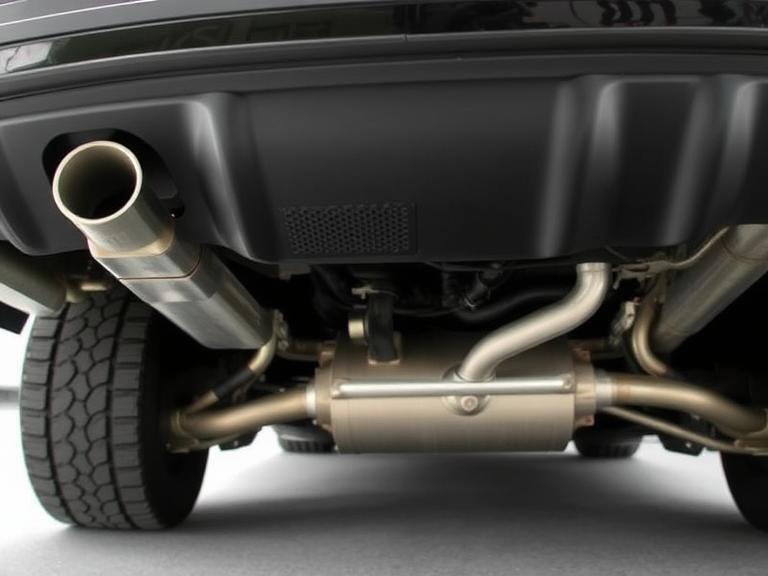
How Exhaust Design Affects Sound
Exhaust system design in contemporary automobile technology strikes a balance between power, emissions, and sound control.
Modified or Aftermarket Exhausts
Certain owners install performance exhausts for power or sound. These systems create a harsh, lawnmower-like tone if someone places them improperly or does not adjust them properly.
Catalytic Converter Damage
When the honeycomb breaks apart, a malfunctioning converter produces a rattling or snarling sound. Because it can alter pitch in response to engine speed, this rattle may confuse people with smaller engine equipment.
Diagnosing the Cause: Step-by-Step Process
Step 1: Visual Inspection
Look for any holes, loose parts, or dangling shields beneath the vehicle. During idle time, use a torch and pay great attention.
Step 2: Monitor Performance
Is the car accelerating as it should? Is there a caution light? Does the feeling of gasoline usage seem out of the ordinary? These indicators aid in focussing the problem.
Step 3: Use Diagnostic Tools
OBD-II scanners retrieve error codes to assist in locating misfires, sensor malfunctions, or exhaust issues.
Step 4: Professional Mechanic Review
Take the vehicle to a qualified technician if you’re not sure. They are able to perform exhaust inspections, compression checks, and smoke tests for leaks.
Preventive Maintenance Tips
Repair is usually more expensive than prevention. Here are some strategies for preventing the question, “Why does my car sound like a lawn mower?” from ever coming up.
Regular Oil Changes
Noise and friction are caused by old oil. Modify it according to time intervals or miles.
Replace Worn Spark Plugs
Every 30,000 to 50,000 miles, or sooner if issues start to show, check the spark plugs.
Inspect Exhaust System Annually
Inspect the muffler, flex pipe, gaskets, catalytic converter, and manifold.
Tighten and Check Heat Shields
If corrosion destroys the heat shields, mechanics can replace them or reattach them.
Ignoring the Noise Can Cost You More
Ignoring a lawnmower sound might result in long-term harm, even though it might not stop your automobile right away. Carbon monoxide can enter the cabin through exhaust leaks. Misfires raise emissions and harm catalytic converters. Vehicle safety is decreased by worn engine mounts. If ignored, what starts out as a strange sound becomes into an expensive failure.
Car Technology Is Evolving: Sounds Shouldn’t Surprise
More than ever, modern automobiles are silent. Systems are created by engineers to reduce harshness, vibration, and noise (NVH). This is why it draws attention when an automobile starts to sound like a lawnmower. Modern automobiles include sophisticated mufflers, insulated engine bays, and active noise cancellation. If your car breaks this silence, it usually indicates that something needs checking. Another frequent cause is misfiring while under strain.
Why Does My Car Sound Like a Lawn Mower When Accelerating?
Some drivers are only aware of the sound while they are applying the gas. This could be a sign of a failed gasket or an exhaust leak close to the engine. Small problems become more noticeable when acceleration raises engine load. Another frequent cause is misfiring while under strain.
Final Thoughts: Act on Unusual Noises Promptly
It’s never a coincidence when you hear strange engine noise. One clever strategy to keep ahead of auto problems is to identify sounds and link them to potential issues. Early detection is the key if you’re wondering, “Why does my car sound like a lawn mower?” You can reduce time and repair expenses by acting quickly, whether the issue is a little heat shield or a major fire. By being vigilant, performing routine maintenance, and getting assistance when necessary, you can keep your car in good working order.
FAQs
Is it dangerous if my car sounds like a lawn mower?
It can be, indeed. It could be an indication of a broken mount, engine misfire, or exhaust leak. Ignoring these problems may result in additional harm or safety hazards.
Can I drive if my car makes this sound?
While short trips might be acceptable, experts do not advise daily driving. You run the risk of parts overheating or wear increasing.
Will replacing the muffler stop the sound?
Yes, if the silencer is to blame. But a complete diagnostic is required to be sure