 By Zain Amjad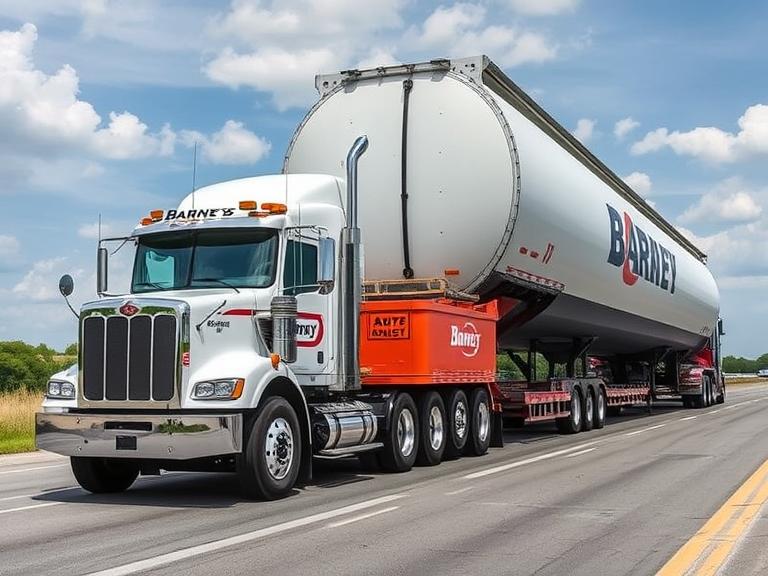
The Evolution of Car Technology: Smarter, Safer, and More Connected
Introduction to Modern Car Technology
Automobile technology has revolutionised the design, operation, and maintenance of automobiles. Each decade has seen advances in everything from early mechanical inventions to sophisticated digital systems. The car industry is now defined by attributes like energy-efficient engines, smart networking, and autonomous driving. Among the specialised tools influencing this sector, barneys and pilot car equipment are crucial for maintaining road safety for large loads and assisting with vehicle escort services. Knowing how this technology fits into the larger picture of automotive advancement emphasises how crucial innovation is becoming to transportation.
Key Milestones in Car Technology
There have been several significant advancements in automotive engineering. Every stage has changed how people move around and made driving more convenient.
Mechanical Advancements in Early Vehicles
The mechanical accuracy of the initial autos was crucial. Engineers concentrated on strong engines, long-lasting gearboxes, and efficient braking systems.These mechanical breakthroughs made future electronic advancements possible.
Digital Integration in the 1980s and 1990s
As microchips got smaller and cheaper, cars adopted computerized dashboards, onboard computers, and early navigation systems.These characteristics signalled the shift from solely mechanical devices to electronic ones.
Intelligent Features of the 21st Century
Self-parking systems, automated emergency braking, and adaptive cruise control are features of contemporary automobiles. These developments improve fuel efficiency, decrease accidents, and make driving easier.
Safety Innovations Driving Car Technology
Over the years, safety has always been of utmost importance. Automobile manufacturers are still creating technology that safeguard pedestrians and drivers alike.
Airbags and Structural Improvements
In the event of an accident, airbags, crumple zones, and strengthened frames offer protection. These characteristics have greatly decreased the number of fatalities and injuries.
Advanced Driver Assistance Systems (ADAS)
Sensors and cameras are used by ADAS technology to keep an eye on their surroundings. By warning drivers in real time, lane-keeping assistance, blind-spot detection, and automated braking help to avert collisions.
Role of Escort and Support Equipment
On highways, large vehicles carrying huge cargoes need specialised assistance. Here, devices like barneys and pilot cars help to guide large trucks, warn of potential dangers, and increase other drivers’ safety. This demonstrates how coordinated traffic support is just as important to road safety as automobile systems.
Connectivity as the Backbone of Car Technology
The car sector has adopted connectivity. Today, cars connect to cloud platforms, mobile devices, and digital networks.
Infotainment Systems and Smart Displays
Personalised entertainment is provided by voice assistants, touchscreens, and smartphone connection. From the dashboard, drivers may easily access apps, music, and maps.
Vehicle-to-Vehicle (V2V) Communication
Automobiles are becoming networked nodes. Vehicles can exchange information about position, speed, and road conditions using V2V communication. By allowing drivers more time to react, this device lowers the chance of pileups.
Remote Monitoring and Telematics
Fleet management uses telematics to monitor driver behaviour, fuel usage, and performance. This lowers expenses while increasing the effectiveness of delivery and logistical services.
Energy Efficiency and Green Car Technology
Environmental concerns and stricter emission regulations push manufacturers toward cleaner technologies, making energy efficiency a major influence on automobile design
Rise of Electric Vehicles (EVs)
Electric vehicles (EVs) use lithium-ion batteries in place of petrol. In order to meet the increasing demand, brands are making significant investments in charging networks.
Hybrid Systems as a Bridge
Electric motors and conventional engines are combined in hybrid automobiles. They are a popular option for people who care about the environment because they provide improved mileage while lowering pollution.
Future of Hydrogen Fuel Cells
Although still in the experimental stage, hydrogen-powered vehicles show promise. They offer a sustainable substitute for long-distance driving since their exhaust is only water vapour.
Autonomy as the Next Chapter in Car Technology
One of the most ambitious areas of vehicle research is self-driving systems. The goal of engineers is to build machines that can function without human intervention.

Levels of Autonomy
Manufacturers categorize cars into six stages, from partial automation to complete autonomy. Most cars today fall into levels two or three, where the driver stays actively involved but receives significant help from the system.
Sensors and Artificial Intelligence
LiDAR, radar, and cameras are essential to autonomous vehicles. These sensors provide information to AI systems that forecast and react to traffic situations.
Challenges of Full Autonomy
There are still safety, ethical, and legal concerns. While manufacturers strive to remove technical issues, cities must rebuild their infrastructure to accommodate driverless traffic.
Specialized Technology in Transportation Support
Beyond private automobiles, technology helps sectors of the economy that depend on specialised modes of transportation.
Pilot Cars and Oversized Loads
Escort vehicles are necessary for large trucks carrying wide or heavy loads. By directing traffic, communicating with truck drivers, and warning of impending dangers, pilot cars help to assure safety. The difference between seamless operations and expensive delays is dependable escort equipment.
Importance of Reliable Tools
Businesses in the escort sector depend on sophisticated navigational aids, lights, flags, and communication systems. Superior equipment guarantees adherence to rules and enhances traffic safety.
Integration of Barneys Pilot Car Equipment
For escort drivers, solutions like as barneys and pilot car equipment offer reliable and effective tools. Their products lower dangers on roadways, increase visibility, and improve communication.These systems support one of the most important facets of logistics by combining dependability with contemporary technology
Smart Cities and Car Technology Integration
Automobiles are becoming an essential part of the digital infrastructure of smarter cities.
Smart Traffic Signals
By adjusting to current conditions, connected traffic signals ease congestion. Vehicles that interact with these systems have improved flow.
Parking Solutions
Automated parking methods lessen problems with urban space. Drivers can use smartphone apps connected to city networks to find and book sites.
Impact on Urban Mobility
Smart cities and automobile technologies cut down on pollution, improve safety, and shorten travel times. They work together to create an effective urban transit system in the future.
Consumer Adoption of Car Technology
Modern drivers demand cutting-edge features from every new vehicle. The speed at which manufacturers implement new systems is influenced by consumer behaviour.
Popular Features in Demand
Customers look for automatic safety systems, cutting-edge infotainment, and fuel efficiency. Once-luxury features are now seen in mid-range automobiles.
Cost and Accessibility
Mass adoption reduces prices, but advanced systems raise production costs. For instance, the increased use of electric automobiles is lowering their cost.
Role of Industry Standards
Technology interoperability and safety are maintained by standardisation. Governments, producers, and consumers all gain from this.
Future Prospects for Car Technology
Automobile technology is expected to undergo constant modification in the future. New developments point to interesting opportunities for businesses and drivers.
Integration of Artificial Intelligence
AI will keep enhancing autonomous systems’ ability to make decisions. Smarter cars will be able to learn how to drive and adjust their performance.
Growth of Shared Mobility
Platforms for car sharing promote sustainability. Rentals, billing, and vehicle tracking are all seamlessly coordinated thanks to technology.

Expanding Role of Support Tools
The need for escort services and specialised solutions increases as logistics get more complicated. For safe and effective road transport, suppliers of cutting-edge goods, such as barneys and pilot car equipment, will continue to be crucial.
Conclusion
From simple engines to clever, networked, and energy-efficient systems, automobile technology has advanced. Three key topics that continue to shape the sector are safety, autonomy, and connection. However, specialised equipment continues to enhance logistics and road safety, demonstrating that innovation is not just found in personal vehicles. The automobile sector guarantees safer and more intelligent mobility for future generations by implementing cutting-edge solutions and anticipating new trends.