 By Zain Amjad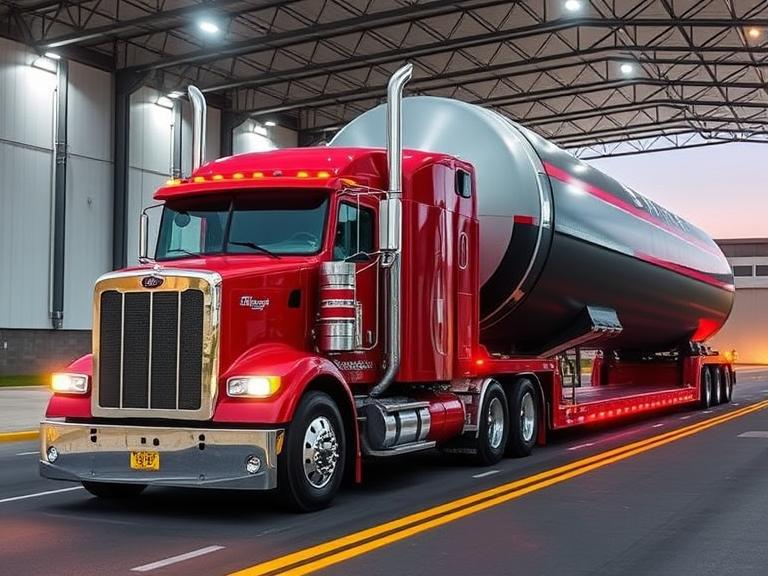
The Evolution of Car Technology: Safety, Innovation, and the Role of Specialized Equipment
Vehicle design, operation, and maintenance have changed as a result of the rapid advancements in automotive technology. The industry has changed from basic engines to sophisticated driver-assist technologies in response to the increasing demands for efficiency, performance, and safety. Barney pilot car equipment is one example of specialised solutions fostering this expansion; it exemplifies the function of specialised technology in guaranteeing safer and more dependable vehicle operations over highways.
Understanding the Growth of Car Technology
The auto business has never remained stagnant. Early automobiles were feature-limited mechanical wonders. As technology advanced, they became increasingly complex devices with sensors, digital communication, and electronic control systems. Every period brought new technologies to improve the efficiency, comfort, and safety of driving.
Integrated systems that can assess road conditions, avoid collisions, and increase fuel economy are equipped in automobiles nowadays.. Every innovation, from smart navigation to electric powertrains, is the result of decades of development. For drivers worldwide, what once appeared futuristic has now become a daily occurrence.
The Role of Safety Systems in Modern Cars
Safety concerns have always fueled innovation. Seatbelts, airbags, and anti-lock brakes were the first. Advanced driver-assistance systems (ADAS) have now raised the bar for safety.
Human error is less likely because to technologies like adaptive cruise control, blind-spot recognition, and lane-keeping assistance. These systems use cameras and sensors to scan the surroundings and provide drivers with vital information in a matter of seconds.
There is a big change from reactive to preventive safety. Contemporary automobiles prioritise preventing collisions as much as surviving them.
Digital Connectivity and Smart Features
Automobiles are no longer standalone devices. They now belong to a networked environment. Smart infotainment systems offer streaming services, traffic updates, and navigation. Drivers may remotely control various automotive characteristics, including as climate control and electric model charging schedules, thanks to mobile integration.
Diagnostics also involves connectivity. Automobiles may transmit performance information straight to repair facilities, cutting down on downtime and increasing the precision of maintenanceLike smartphones, over-the-air software updates keep systems up to date.
Car Technology and Specialized Equipment
The advancement of automotive technology extends beyond consumer features. Industries that rely on vehicle freight now require specialised equipment. Examples include escort and pilot automobile services. They guarantee that large loads travel on roadways safely without causing risks or traffic jams.
The equipment and tools that have been created for these services demonstrate the specific needs that technology can be tailored to meet. For pilot vehicle operators, essential navigation aids, lighting systems, and communication equipment are provided. Even specialised transportation sectors depend on ongoing innovation to increase safety and compliance, as seen by equipment like barneys and pilot cars.
Electric Vehicles and the Future of Mobility
Electric cars, or EVs, represent a significant shift in the automobile industry. They switch to battery-powered motors from combustion engines because of the demand for sustainable alternatives.
Regenerative braking, complex battery management, and improved charging networks are some of the technologies that power EVs. The use of EVs is growing quickly as a result of governments’ support for green projects. To make electric cars more feasible for daily usage, businesses are still investing in faster charging stations and longer-range batteries.
Passenger cars are not the end of this movement. Logistics is changing as a result of electric delivery trucks, buses, and trucks.Everything is impacted, including electricity grids and municipal planning.
Advanced Materials and Manufacturing
Advances in materials research also benefit car design. Carbon fibre, composites, and lightweight alloys all cut weight without sacrificing strength. In EVs, a lower weight increases battery range and fuel economy.
Automation and robotics have made manufacturing smarter.Precision engineering guarantees consistent quality. 3D printing lowers costs and lead times by enabling quicker prototyping and customised products.
These upgrades promote environmental objectives while making cars more efficient and long-lasting.
Artificial Intelligence and Automation in Driving
Transport in the future is heavily reliant on artificial intelligence (AI). Vehicles can now analyse data from lidar sensors, radar, and cameras thanks to machine learning. This capacity is the foundation of autonomous driving.
Around the world, testing is being conducted on self-driving technology.. Even though completely driverless vehicles are not yet common, AI-powered driver assistance technologies significantly improve safety. Examples include real-time traffic adaption, predictive braking, and automated parking.
Vehicles that carry people without the need for human intervention are part of the long-term vision. This transformation might redefine mobility, logistics, and even municipal infrastructure.
Car Technology in Logistics and Heavy Transport
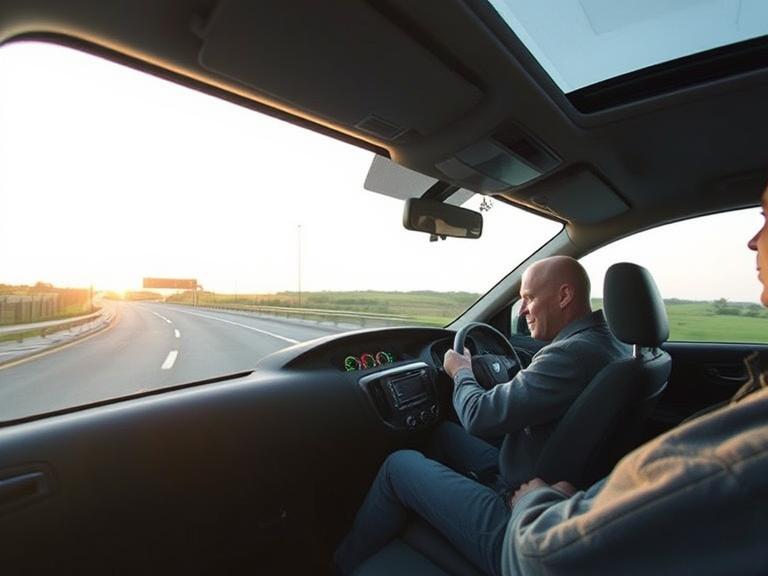
Oversized goods transit on the highway has special difficulties. To ensure the safety of activities, escort and pilot cars offer direction and communication. In this sector, technology is essential.
Oversized goods transit on the highway has special difficulties. To ensure the safety of activities, escort and pilot cars offer direction and communication. In this sector, technology is essential.
Specialised equipment designed to meet these needs is available from suppliers such as Barneys Pilot Car Equipment. Their function demonstrates how automobile technology transcends individual use to sectors that rely on accuracy and dependability.
Environmental Impact and Sustainable Solutions
The global emphasis on sustainability has impacted every facet of vehicle design.Nowadays, manufacturers place a higher priority on recycling, emissions reduction, and fuel efficiency. Hybrid engines combine electric motors and combustion to balance efficiency and performance.
Even manufacturing plants are changing. Modern vehicle techniques include water saving, waste minimisation, and renewable energy. Consumers need environmentally friendly products, which encourages businesses to develop new ideas.
The trend towards sustainability shows a growing understanding that environmental responsibility and mobility must coexist.
Customization and Specialized Gear in Car Technology
Automobile technology also flourishes in fields where personalisation is essential. Professionals and enthusiasts alike require instruments that fulfil particular requirements. Customisation guarantees better performance, whether it is for safety equipment, communication devices, or sophisticated lighting.
Specialised tools are essential in sectors such as heavy transport. Companies like Barneys Pilot Car Equipment show how customised solutions make places safer for people and operators. Their products demonstrate how even specialised uses advance the overall development of automobile technology.
The Global Impact of Car Technology
Technological developments in automobiles are not regionally restricted. Innovations are adapted by nations all around the world to meet local needs. Automation and electric cars are driving transformation in industrialised countries. Long-lasting and reasonably priced designs meet the increasing needs for mobility in developing nations.
International cooperation accelerates these changes.Technology sharing, international rules, and research collaborations guarantee consistent advancement. The industry advances more quickly thanks to this integrated approach than it could with a single endeavour.
Challenges Facing Car Technology
Despite remarkable advancements, difficulties still exist. One of the most urgent issues is cybersecurity. Because connected cars are susceptible to online attacks, they need strong security measures.
Another factor is infrastructure. Widespread charging stations are essential for electric vehicles. Smart road networks with sensors and dependable connectivity are essential for autonomous vehicles.
Cost is also important. For cutting-edge features to be widely adopted, a balance must be achieved between affordability and usability. Innovations run the danger of staying exclusive to premium markets in the absence of this equilibrium.
Future Outlook for Car Technology
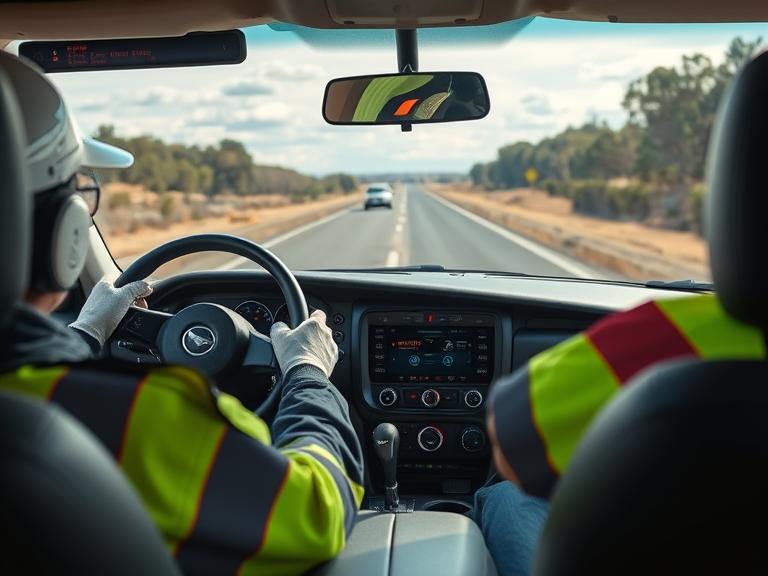
A bright future is held by automobile technology, but complexity is also present. The next stage will be characterized by the integration of global networks, renewable energy, and artificial intelligence. In addition to moving people, vehicles will connect, analyse, and adjust in real time.
The industry will keep combining the demands of industry and consumers. Specialised solutions, such as those provided by companies like Barneys Pilot Car Equipment, will continue to be crucial for guaranteeing effective and safe transportation in a variety of industries.
Conclusion
The development of automobile technology is a reflection of human responsibility, ambition, and inventiveness. The car keeps changing, from the earliest engines to electric powertrains, from airbags to self-driving technologies.
This progress is guided by safety, sustainability, and connectivity. Specialised fields, like pilot car services, serve as a reminder that innovation extends beyond passenger cars to sectors where accuracy is crucial.
For many years to come, automobile technology will continue to be a vital component of contemporary life, influencing the environment, economy, and mobility.